Recognizing Phishing Scams: A Guide for Seniors & Caregivers
Learn how seniors and caregivers can spot phishing scams, avoid online fraud, and protect personal and financial information.
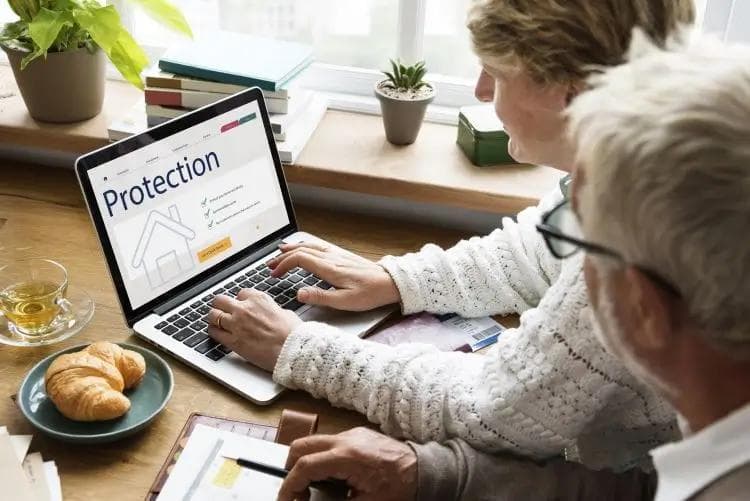
Recognizing Phishing Scams: A Guide for Seniors & Caregivers
Technology helps us stay connected, manage finances, and access important services, but it also creates new opportunities for scams—especially without secure Wi-Fi and internet protection. One of the most common and dangerous threats today is phishing, particularly for seniors and those who support them.
Phishing scams are emails, text messages, or phone alerts designed to trick people into sharing personal or financial information. These messages often look legitimate and may appear to come from banks, delivery services, healthcare providers, or government agencies. Their goal is to gain trust quickly and pressure the recipient into acting without verifying the message.
Urgency is a common tactic. Scammers often claim there is a problem with an account, a missed delivery, or suspicious activity that requires immediate action. This sense of pressure makes it easier to overlook warning signs.
One important clue is the sender. Phishing messages often come from email addresses or phone numbers that look slightly unusual, include misspellings, or do not match official company domains. Many messages also use generic greetings instead of your real name.
Links and attachments are another major red flag. Clicking a link may take you to a website that looks real but is designed to steal login information. Downloading attachments can install harmful software on your device. Legitimate organizations rarely ask for sensitive information through unsolicited messages—especially without proper account and internet security safeguards.
Strong passwords and additional security steps provide important protection. Using unique passwords for important accounts and enabling extra verification can limit damage even if a scam attempt succeeds. Keeping devices and apps updated also helps close security gaps.
For caregivers, communication plays a critical role. Talking openly about scams, encouraging questions, and reviewing suspicious messages together can prevent many incidents. No one should feel embarrassed about double-checking a message or asking for help.
How CallTechCare Helps Protect Against Scams
This is where CallTechCare’s Wi-Fi and internet safety services provide reassurance and support. We work closely with seniors, caregivers, and families to make online safety easier to understand and manage.
Our services include:
- Reviewing suspicious emails or text messages
- Securing email, phone, and online accounts
- Setting up strong passwords and password managers
- Enabling multi-factor authentication
- Teaching simple habits to avoid scams
Instead of guessing whether a message is real, you can rely on expert guidance. Our focus is on prevention, education, and peace of mind — not just fixing problems after they happen.
Staying safe online doesn’t require advanced technical skills. With awareness, caution, and the right support, seniors and caregivers can use technology confidently and securely.
At CallTechCare, we provide professional Wi-Fi and internet security support for families across Miami and South Florida.
📣 Call to Action
Concerned about online scams or suspicious messages?
CallTechCare can help secure accounts, review messages, and protect loved ones from digital threats.
👉 Schedule an Online Safety Check today.
Frequently Asked Questions
What is a phishing scam?
A phishing scam is a fraudulent message designed to trick someone into sharing personal or financial information by pretending to be a trusted source.
Why are seniors often targeted by phishing scams?
Scammers often target seniors because they may be less familiar with online threats or more trusting of messages that appear official.
Can CallTechCare help if a scam already happened?
Yes. We can secure accounts, change passwords, review activity, and help prevent future incidents.
Why Your Wi-Fi Keeps Dropping and How to Fix It
Wi-Fi dropping frequently can interrupt work, streaming, and smart home…

Why Your Wi-Fi Is Slow (Even If You Pay for Fast Internet)
Paying for fast internet but still experiencing slow Wi-Fi? Learn the real…
Securing Your Home and Business With a VPN in 2026
Learn why using a VPN in 2026 is essential for protecting home and small…
How to Secure Your Home Wi‑Fi Network in 2026
Learn how to secure your home or small-business WiFi network in 2026 with…

Why Reliable IT Support at Home Matters More Than Ever
Reliable IT support keeps your home technology running smoothly. Learn why…
Cybersecurity Survival Guide for Small Businesses in 2025
Learn how small businesses can protect systems, data, and customers in 2025…
Strong Credentials for Seniors and Small Businesses
Learn how seniors and small businesses can create strong passwords, manage…
Should You Upgrade to Wi-Fi 6E or Stay on Wi-Fi 6?
Wi-Fi 6E promises faster speeds and less interference, but is it worth…